

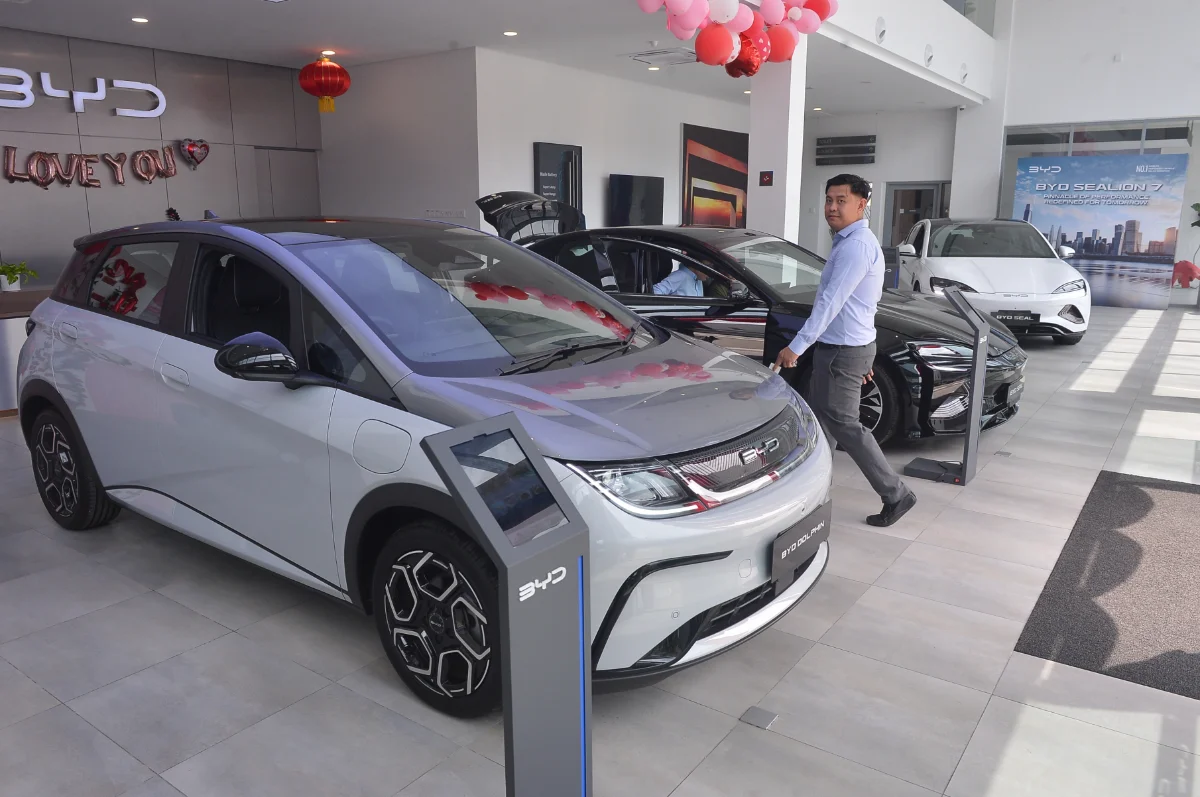
Malaysia’s electric vehicle transition is a long-term strategic move driven by broader benefits, not a short-term reaction to fluctuating global fuel prices.
PETALING JAYA: Surging global fuel prices may spark short-term interest in electric vehicles (EVs), but industry experts say Malaysia’s shift to electric mobility is a long-term strategic move, not a reaction to market swings.
BMW Group Malaysia managing director Benjamin Nagel said rising fuel costs might encourage some consumers and businesses to explore EVs, but the decision to go electric should not be seen as a stopgap response.
“Electric mobility is fundamentally a long-term story.
“The value proposition goes far beyond fuel savings. It includes superior driving dynamics, reduced maintenance, lower life cycle costs, a more refined driving experience and zero tailpipe emissions.”
Since introducing plug-in hybrid vehicles in 2015, BMW Group Malaysia has pursued a strategic, long-term approach, investing in local charging infrastructure, manufacturing capabilities and partnerships to develop Malaysian talent in EV technology.
“We are building an ecosystem for sustainable premium mobility that will serve Malaysia for decades to come, regardless of short-term market fluctuations.”
Addressing concerns that Malaysia may not yet be ready for large-scale EV adoption due to its reliance on fossil fuels, Nagel maintained that EVs still deliver environmental benefits.
“Even today, an electric vehicle produces a lower total carbon footprint compared with a comparable combustion engine vehicle, and this advantage grows when powered by renewable energy.”
He added that delaying EV adoption until the energy grid is fully renewable risks creating a chicken-and-egg dilemma.
He said rising demand for EVs could instead drive investment in renewable energy, energy storage and grid modernisation.
“EV adoption strengthens the business case for cleaner energy. As charging demand rises, it creates greater incentives for renewable energy development.”
Nagel highlighted the National Energy Transition Roadmap as a key framework guiding the shift towards cleaner energy.
Over time, as the grid incorporates more renewables, EVs automatically become cleaner, a flexibility that conventional vehicles cannot match.
Beyond long-term emissions reductions, he said EVs offer immediate environmental benefits in urban areas.
“Electric vehicles produce zero tailpipe emissions, eliminating localised air pollutants, which is crucial in dense cities such as Kuala Lumpur,” he noted.
“They also generate less heat waste and are significantly quieter, helping to reduce noise pollution.”
He said these advantages improve air quality and urban liveability, reinforcing EVs’ role not only in climate mitigation, but also in enhancing quality of life in Malaysian cities.
As Malaysia navigates its energy transition, Nagel emphasised that EV adoption and cleaner energy development must progress hand in hand to deliver meaningful and lasting impact.
Source: ev-shift-is-strategic-not-just-a-fuel-price-reaction
Disclaimer
The views and opinions expressed in this article are solely those of the author and do not necessarily reflect the official stance of Kritik.com.my. As an open platform, we welcome diverse perspectives, but the accuracy and integrity of contributed content remain the responsibility of the individual writer. Readers are encouraged to critically evaluate the information presented.