

By Faiz Ruzman
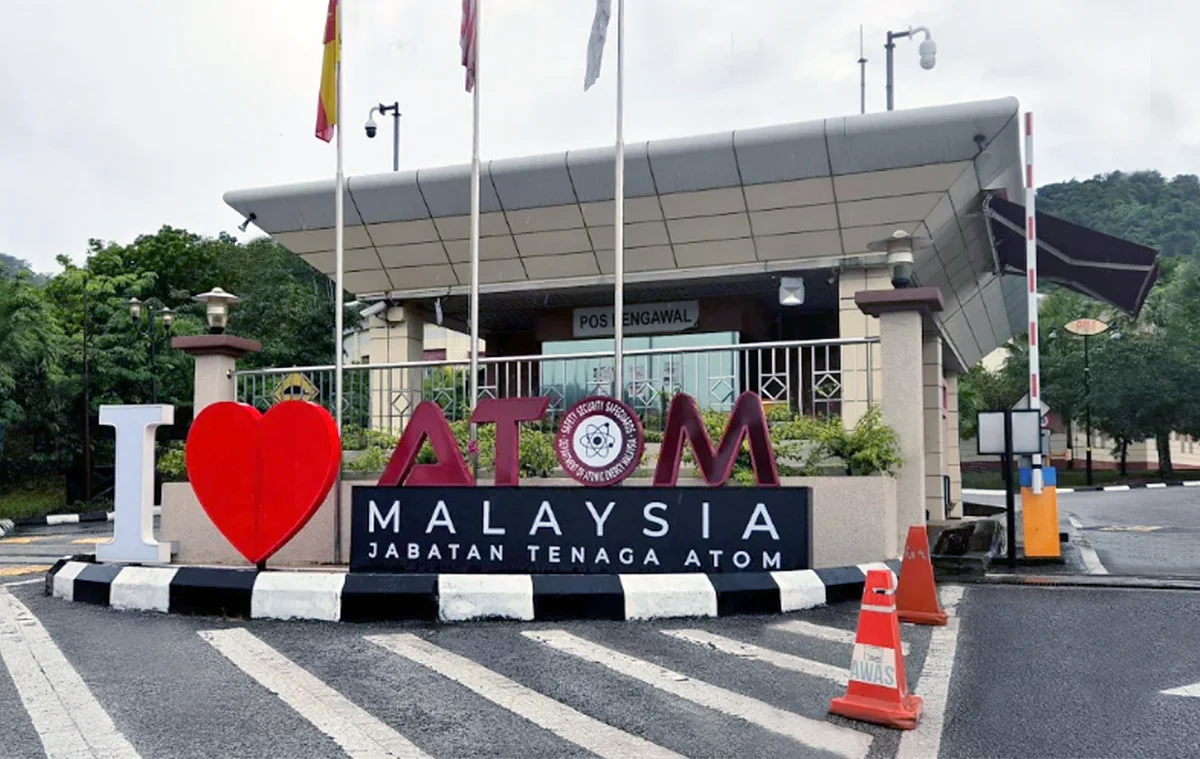
The Atomic Energy Department confirms public and worker radiation exposure at Lynas Malaysia’s Gebeng plant has consistently remained within safe regulatory limits since operations began
PETALING JAYA: Radiation from Lynas Malaysia’s operations in Gebeng, Kuantan has remained within safe regulatory limits for the public since the plant began operating in 2012, the Atomic Energy Department has confirmed.
It added that worker exposure has stayed within permitted levels under controlled conditions.
In a statement to theSun, the department said continuous monitoring since 2012 showed that public exposure remained below one millisievert (mSv) per year while workers were kept within the regulatory limit of 20mSv per year.
“The higher limit for workers reflects controlled occupational exposure standards while the lower threshold applies to the general public.”
It noted that its assessment of Lynas’s licence renewal was based on continuous evaluation over the validity of its previous licence, from March 3, 2023 to March 2, 2026, rather than a one-off review.
The evaluation considered compliance with the Atomic Energy Licensing Act 1984 (Act 304), subsidiary legislation, licence conditions, International Atomic Energy Agency standards and international best practices.
“Based on these assessments, Lynas has complied with Act 304, subsidiary legislation and licence conditions,” it said.
The department emphasised that radiation monitoring data, including real-time readings, are publicly accessible via the Environmental Radiation Monitoring System platform.
Lynas is under continuous oversight, with inspections, radiation measurements and environmental sampling conducted inside and outside the plant.
This includes sampling soil, water, air, flora and fauna, and tracking progress in meeting licence conditions, such as ceasing production of water leach purification (WLP) residue by 2031 and reducing existing residue to below one becquerel per gram.
Meanwhile, the Environment Department separately monitors environmental factors, including air and water quality, groundwater, scheduled waste and noise under the Environmental Quality Act 1974.
The Atomic Energy Department emphasised that enforcement powers remain in place should Lynas fail to comply.
Under Act 304, the director-general can suspend operations or revoke licences in cases of non-compliance.
Breaches may also result in a maximum fine of RM500,000 or up to 10 years’ jail, depending on the severity of the offence.
Addressing public concern, the department said it is committed to ensuring Lynas’s operations pose no risk to workers, nearby communities or the environment.
“Continuous monitoring and enforcement are carried out to ensure Lynas operates safely and does not affect workers, the public and the environment in relation to ionising radiation.”
Yesterday, Lynas said its residue management systems in Gebeng meet Malaysian and international standards.
The company maintained that no incident harmful to public health or the environment has occurred since operations began in 2012.
Lynas added that it has spent the past three years collaborating with the Atomic Energy Department and academic institutions in Malaysia and Australia on research to remove thorium from WLP residue.
Laboratory and pilot plant stages have been completed, with an industrial-scale trial as the next step.
Source: lynas-radiation-levels-within-safe-limits-since-2012-says-regulator
Disclaimer
The views and opinions expressed in this article are solely those of the author and do not necessarily reflect the official stance of Kritik.com.my. As an open platform, we welcome diverse perspectives, but the accuracy and integrity of contributed content remain the responsibility of the individual writer. Readers are encouraged to critically evaluate the information presented.